
RAIN BERMUDEZ — ARTIST STATEMENT
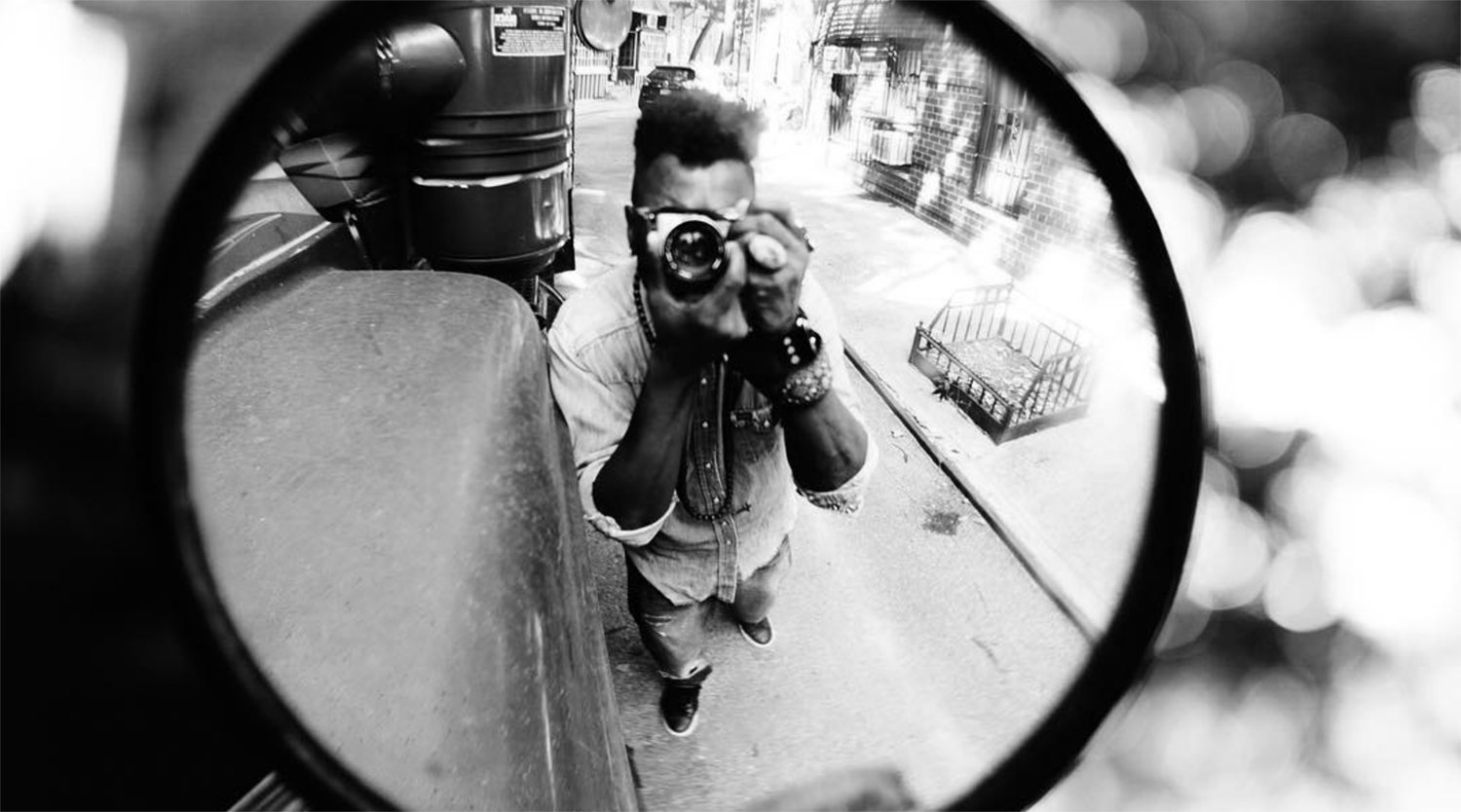
My work exists at the intersection of rhythm and image, sound and sight, memory and presence. As a Garifuna artist born in Guatemala City and raised in Brooklyn, I create from a place of dual consciousness carrying ancestral traditions while navigating contemporary urban life. My practice spans documentary photography and percussion, two disciplines that are, to me, inseparable expressions of the same impulse: to bear witness, to hold space, and to honor what refuses to be forgotten.
The Garifuna people have survived through creative resilience preserving language, music, and story against centuries of displacement. My photography documents this inheritance in the present tense. I photograph cultural ceremonies, street performances, community gatherings, and quiet domestic moments that reveal how diasporic communities create home wherever they land. My lens follows the body in motion, the gesture that carries meaning, the face that holds history. I'm drawn to images where the sacred and the everyday overlap, where tradition pulses beneath the surface of modern life.
My percussion practice emerges from the same root. Garifuna drumming is polyrhythmic, communal, participatory—it requires deep listening and generous response. These lessons translate directly into how I approach visual composition: layering, call and response, finding the pocket. My performance experience from touring with major recording artists to intimate Brooklyn venues has taught me how rhythm shapes attention, builds energy, and creates shared experience. This understanding informs every photograph I make.
I see my camera and my drums as tools for cultural translation. Both ask: How do we make the internal external? How do we communicate what words cannot? How do we create space for others to see themselves? My work invites viewers and listeners into Garifuna sensibility not as observers of an exotic other, but as participants in a living, evolving tradition that speaks to universal questions of belonging, memory, and resistance.
Currently, my practice investigates how second-generation diasporic artists negotiate inherited cultural knowledge with contemporary American identity. Through photography and percussion, I explore what it means to be a bridge—between generations, between geographies, between art forms. My work appears in galleries and on stages, in museums and in streets, because the communities I document and the traditions I honor exist in all these spaces. Art, for me, is not separate from life it is how we make life visible, how we make it sing.